







How we calculate CO₂ emissions avoided
Our methodology for measuring environmental impact: the formula, the per-item factors, the sources behind every number, and why transparency matters.
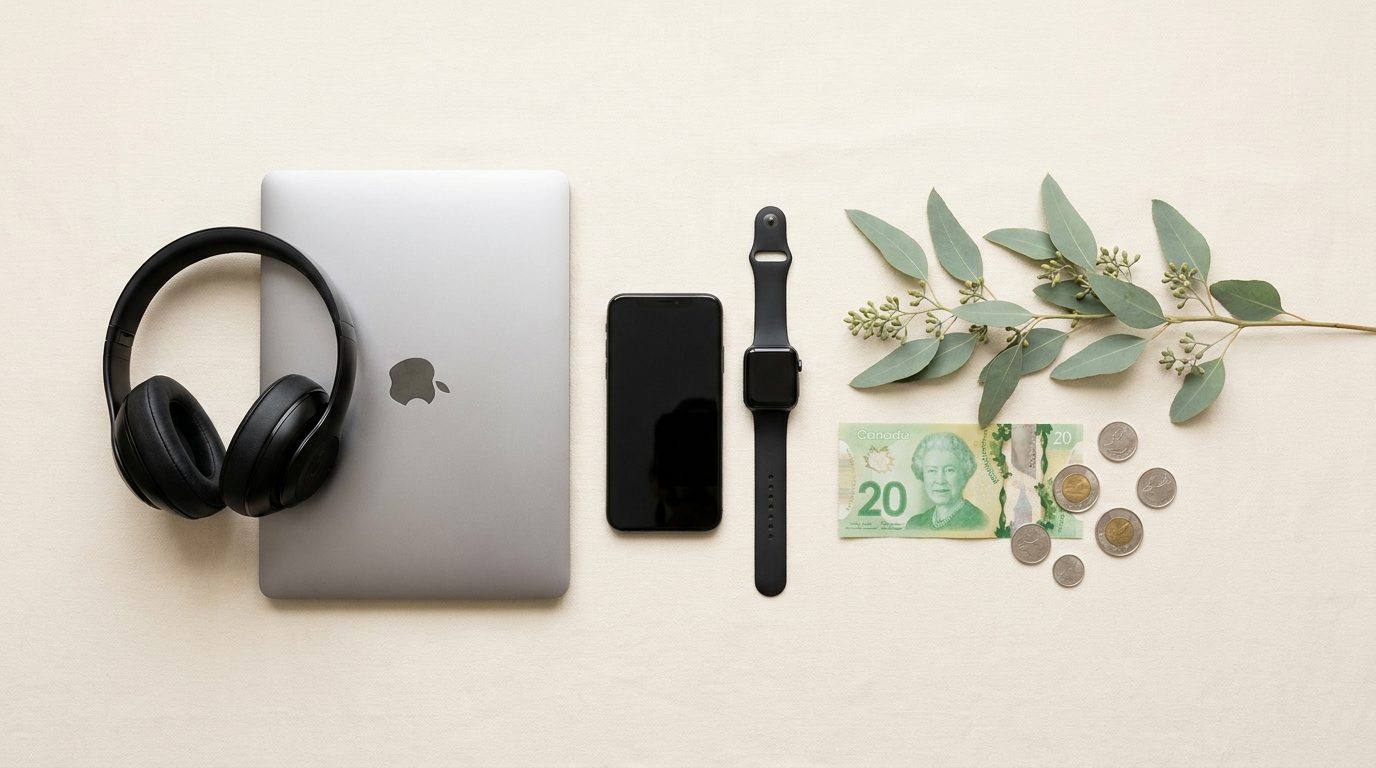
When you trade an item in with SELLIT9, the impact isn't just financial. Every item that finds a second life means one fewer item that needs to be built from scratch. That's the math behind every "X tons of CO₂ avoided" claim on our homepage.
But a claim is only as good as the math behind it. So we're showing ours.
Why this matters
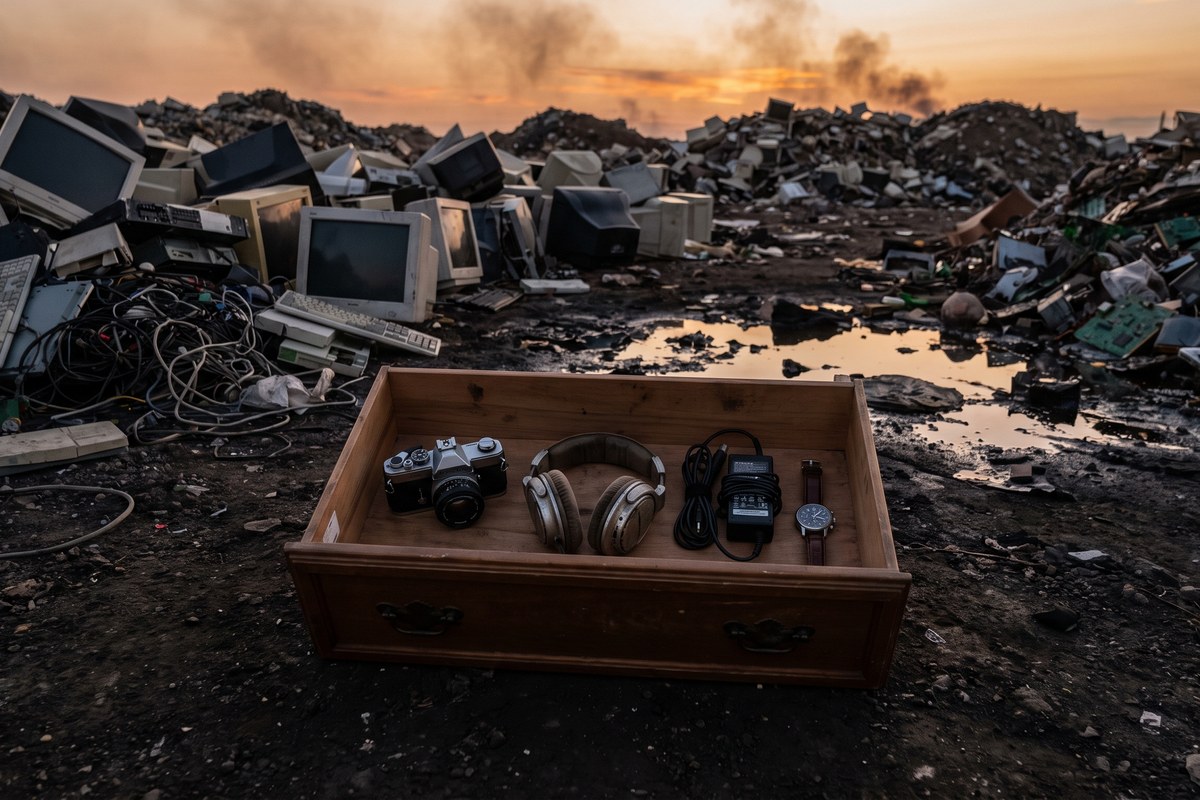
E-waste is the fastest-growing waste stream on the planet. The UN's Global E-waste Monitor estimates over 60 million tonnes of electronic waste was generated globally in 2022. Only about 22% of it was formally recycled. The rest goes to landfill, incineration, or informal recycling streams that release heavy metals and other toxins into soil and water.
Manufacturing new items is the main driver of that footprint. For most consumer electronics, including phones, laptops, tablets, and gaming consoles, between 75% and 90% of an item's total lifetime carbon emissions come from the production stage, not from being used. That's why giving an item a second life is one of the highest-impact things a consumer can do.
For our industry specifically, this is also a credibility moment. Refurb and trade-in companies have been making environmental impact claims for years, and not all of them have been substantiated. Regulators are catching up: the US Federal Trade Commission's Green Guides require "competent and reliable scientific evidence" for any quantitative environmental claim, Canada's Competition Bureau is enforcing similar standards under Bill C-59 (2024), and the EU's Green Claims Directive (effective 2026-2027) will require third-party-verified LCA for environmental claims in European markets.
We think that's a good thing. Customers deserve to know what's behind the numbers they see.
Our responsibility
SELLIT9 sits between thousands of customers and the merchant network that refurbishes, resells, or responsibly recycles items every month. Every claim we publish about environmental impact reaches the people trusting us with their items.
That comes with three commitments:
- Be conservative. When in doubt, undercount the benefit rather than overstate it.
- Be transparent. Show the formula, the assumptions, and the sources behind every number. That's exactly what this post does.
- Be self-correcting. The methodology gets revisited annually, factors get updated when better LCA data is published, and corrections get applied across all surfaces (homepage, in-app, emails, merchant materials) so the same number appears everywhere.
The formula
We use the avoided-emissions framework adopted by industry-standard methodologies like the Rainbow Standard and ADEME (the French Environment and Energy Management Agency). For each completed trade-in:
Avoided CO₂ = M_new × D × L − RWhere:
- M_new = manufacturing emissions of a comparable new item (kg CO₂e), pulled from manufacturer Product Environmental Reports or peer-reviewed LCA studies
- D = displacement rate (we use 0.80, assuming 80% of refurb buyers would otherwise have bought new)
- L = lifetime ratio (we use 0.65, since refurb items have a slightly shorter remaining useful life than brand-new ones)
- R = refurbishment process emissions (around 8% of M_new)
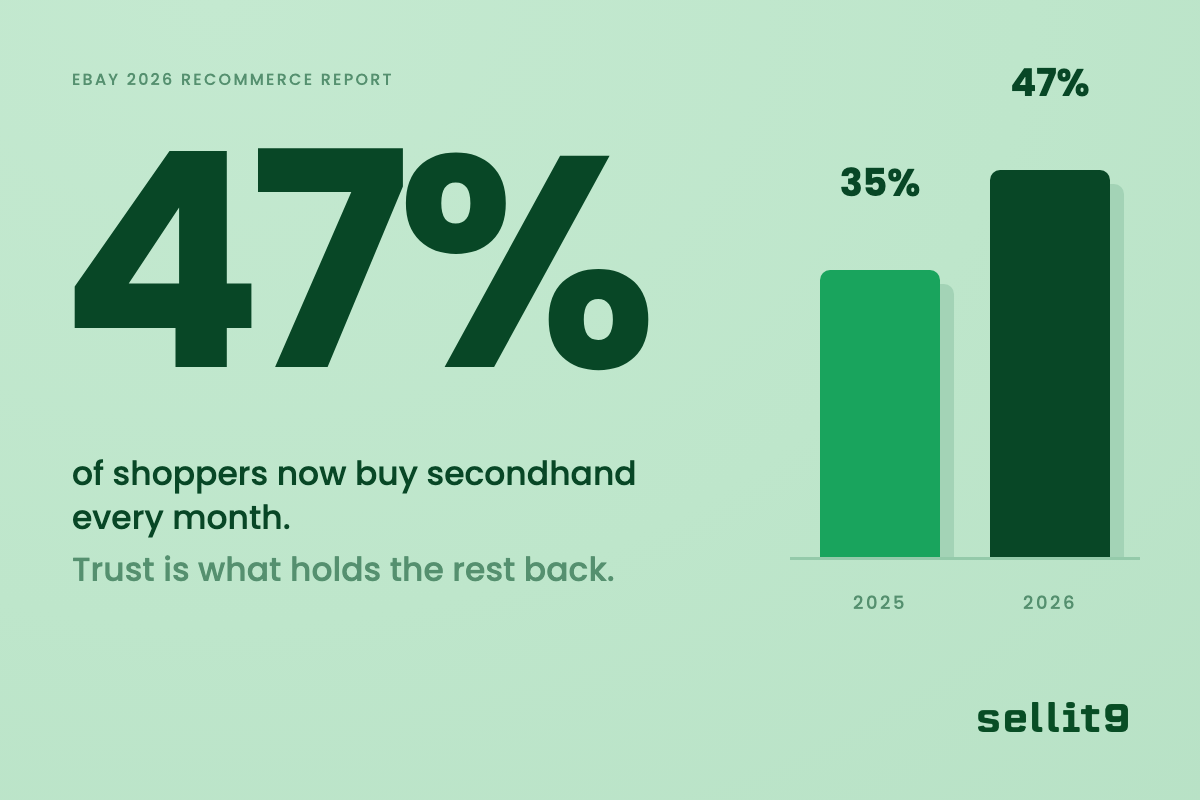
This formula consistently produces avoided emissions of about 47% of the new-build manufacturing footprint, which is conservative on purpose. The Rainbow Standard would allow higher claims; we choose to undercount.
Per-item factors
For every completed trade-in, we apply a category-specific kg-avoided value. Here's a snapshot of the main ones:
| Item type | kg CO₂ avoided per unit |
|---|---|
| iPhone / Smartphone | 30 |
| iPad / Tablet | 45 |
| MacBook / Laptop | 95 |
| Desktop | 165 |
| Monitor | 165 |
| Apple Watch / Smartwatch | 12 |
| Gaming Console | 95 |
| Headphones (incl. AirPods) | 4 |
| Camera | 35 |
| Camera Lens | 14 |
| PC Components (CPU, GPU, RAM, etc.) | 18 |
| Electric Scooter | 70 |
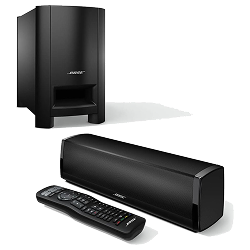
| Speakers | 12 |
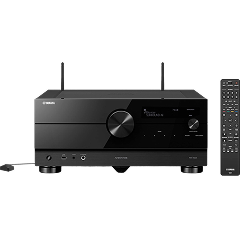
| AV Receiver | 25 |
Where the numbers come from
For high-confidence factors (Apple items, mainly), we use Apple's official Product Environmental Reports. Each iPhone, iPad, MacBook, and Apple Watch model comes with a detailed third-party-audited lifecycle assessment.
For other major categories (Windows laptops, desktops, gaming consoles, monitors, tablets), we use the Rainbow Standard methodology and the ADEME 2022 refurbished electronics LCA study. That's the same primary source Back Market and Refurbed cite.
For categories where dedicated LCA studies don't yet exist (cameras, audio equipment, smart home items, drones), we estimate from comparable electronics LCA literature and document the lower confidence level explicitly. These are the factors most likely to change as better data emerges, and we'd rather flag the uncertainty than hide it.
What this means for our headline number
Across every completed trade-in to date, the new methodology gives us approximately 250+ tonnes of CO₂ emissions avoided. That's the equivalent of taking around 55 passenger vehicles off the road for a year, or the carbon footprint of roughly 60 round-trip flights from Toronto to London.
It's also a number we can defend with citations, peer-reviewed sources, and a methodology that any journalist, regulator, or skeptic can audit.
Every time you choose to trade an item in instead of throwing it away, you're moving the needle. We just want to make sure the numbers we put on that needle are honest.
The SELLIT9 team