





Building a Loyalty Loop: How Trade-In Creates Repeat Customers
Repeat purchase rates in consumer electronics sit near 18%. A trade-in program turns what your customers already own into store credit they can only spend with you.
The hardest customer you will ever win is the first one. You paid for the click and earned the trust before you ever saw an order. Then the relationship goes quiet until a campaign finds them again, and the second order ends up costing you almost as much to win as the first one did.
Most stores treat that gap as an email problem. It is closer to an affordability problem. Your customer probably still likes what they bought and would happily buy from you again, that part usually has not changed. What changed is what they can justify spending the next time around, and a campaign cannot really do much about that.
A trade-in program can. The old phone in the drawer, the last-gen console, the headphones nobody in the house uses anymore, all of that is value your customer is not counting as spending money. If your checkout is where it turns into store credit, they have a reason to come back that has nothing to do with your email schedule. Some of them will be replacing the thing they bought from you last year. Plenty of others will trade something unrelated and spend the credit on whatever else you sell, and either way the return visit starts with them working out what they can afford rather than you trying to talk them into it.
Almost none of this becomes your problem operationally. Unless you want the items back to resell yourself, you never touch them. The trade-in is handled end to end and you are reimbursed for the credit your customer spent.
Why one-off sales quietly cap your growth
Most budget goes toward new customers and bigger baskets. Repeat purchases get less attention, even though they are the lever that compounds over time.
It is easy to see why. Across ecommerce, roughly 25% to 30% of customers come back for a second order, and consumer electronics sits near the bottom of that range at about 18%. That tracks with how people actually buy. Nobody orders a second laptop in March because the first one was good.
The stores that get repeat purchases without paying for them again have usually built the reason to come back into the offer itself, so the customer has something to gain by showing up whether or not you happened to email them that week.
The trade-in loop: buy, trade in, spend it with you
McKinsey's consumer decision journey gave this shape a name, the loyalty loop, where a returning customer skips the consideration and evaluation lap and goes straight back to purchase. Most loops run on preference, which holds up right until something better turns up in their feed.
A trade-in loop runs on value your customer already owns, which is sturdier to build on because it does not depend on them liking you more than the alternative that week.
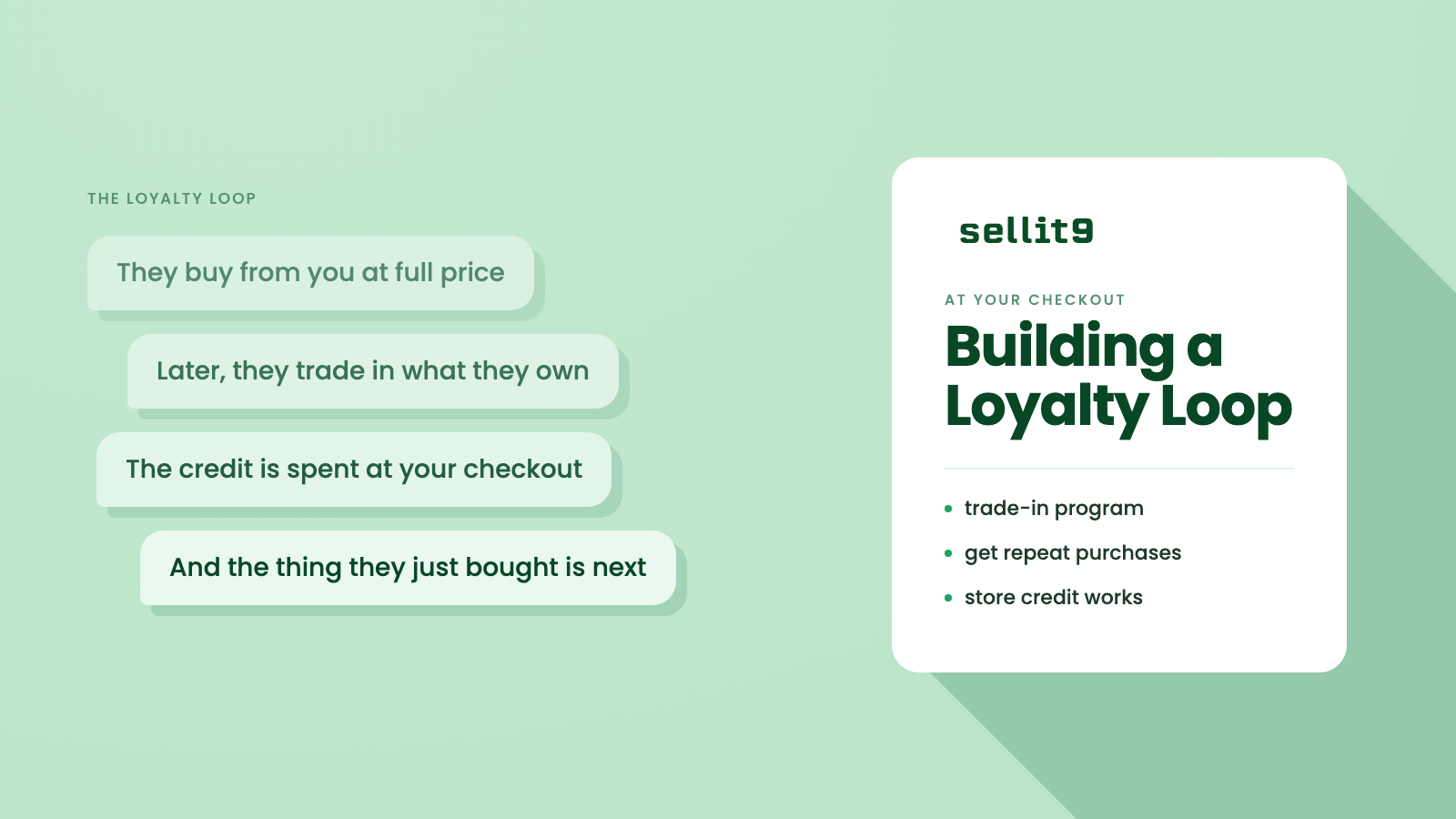
- Buy. Your customer buys the laptop, the camera, the console, at full price.
- Trade in. Whenever they are ready for it, whatever they have on hand is still worth something, and you are the one telling them so. They enter the model and condition and get a quote back.
- Spend it. The quote becomes store credit, which is purchasing power at your checkout and nowhere else. Half of customers go from quote to order in three minutes.
- Repeat. The traded item goes back to SELLIT9, and whatever they just bought with the credit becomes the next thing they can trade.
Nothing in that loop requires a like-for-like swap. The old console can go toward a camera. A drawer of phones can go toward a monitor. It is an affordability tool rather than an upgrade path, and that is what keeps it useful beyond the customers who happen to be replacing the exact thing they bought last time.
The part worth noticing is what step 2 does to acquisition. Nine in ten trade-in orders come from a customer's first visit to that merchant, so the same mechanism that brings a returning customer back is also how a lot of them arrive in the first place.
Why store credit works where discounting does not
A discount and store credit look similar, but they work differently. A discount cuts into your margin and lowers the price on the order, so your average order value takes the hit too.
Store credit does not, because it is funded by the item your customer traded in. You sell at full price and are reimbursed for the credit value net of a merchant discount rate, which is a modest price for a customer standing at your checkout holding money they can only spend with you.
There is nothing to underwrite here either. Your customer is simply spending something they already owned.
Where this works best, and where it does not
The mechanism needs two things: items your customers hold onto and eventually stop using, and a resale market on the other side. That points at a specific shortlist.
- Phones and tablets. Almost everyone has an old one sitting somewhere, and they carry the clearest resale value in the store.
- Laptops and desktops. Higher ticket, so one trade covers a meaningful chunk of the next purchase.
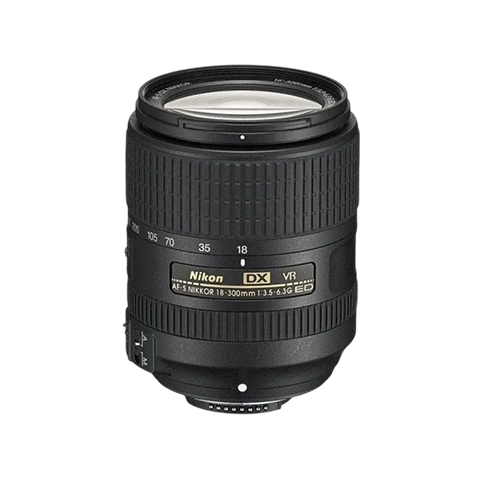
- Cameras and lenses. Bodies get replaced while lenses get held for years, and both hold value well.
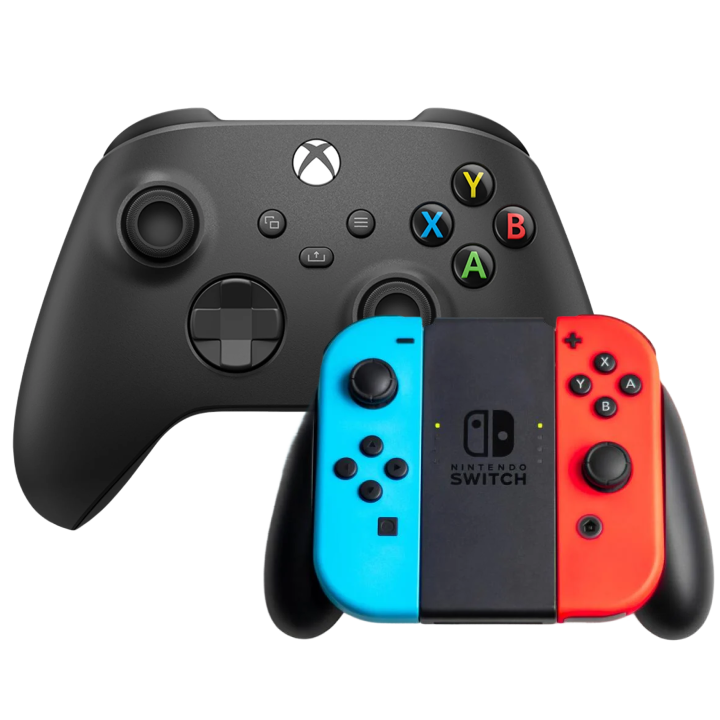
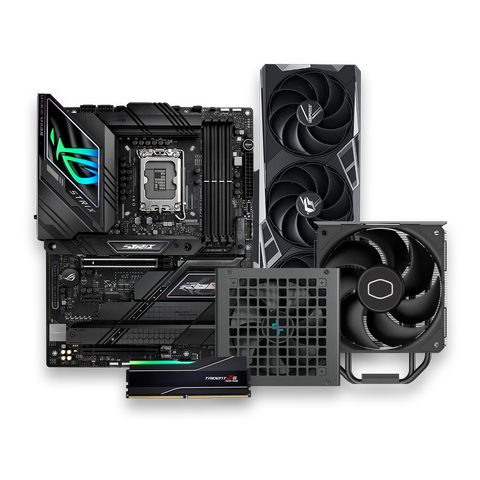
- Consoles and PC components. Last generation stays in the house long after it stops getting used, and a GPU trade tends to pull a whole basket along with it.
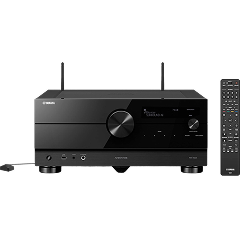
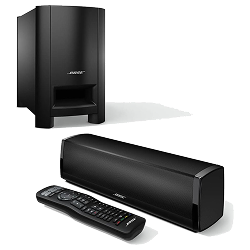
- AV and home theatre. Slower moving, but high ticket, so a single trade is worth a lot.
It is worth being straight about where this does not fit. If your catalogue is consumables or accessories, your repeat rate is already healthy and a replenishment reminder will do more for you than a trade-in program. And if you sell in a category with no resale market behind it, there is nothing for the credit to come from. SELLIT9 accepts over 121,000 SKUs across 122 categories in Canada, which is broad, but it is not everything, so check your top sellers against it before you build a campaign around this.
How to put this in front of your customers
The mechanism only works if your customer meets it at the moment they are deciding what they can afford. Four placements carry most of the weight.
- The product page. One line near the price: see what you have and what it is worth, and put the credit toward this. That is where budget hesitation does the most damage.
- The order confirmation. The underused one. They have just spent money with you, so it is a good moment to tell them you take trade-ins at all, on things they already own, whether or not it has anything to do with what is in the box.
- The one that goes out later. You do not need to guess when they are due for something new, you just need to remind them that whatever they have sitting around is worth money at your store, and that lands whenever it lands.
- In store. If you have a counter, telling people to bring in whatever they have is a reason for someone to walk in, and your staff never has to price anything by hand. We wrote about how the same program runs online and in store separately.
One note on tone. The ask is to go see what they have and what it is worth, not to take you up on an offer. A quote is a fact about something they already own, and that reads very differently from a promotion.
Frequently asked questions
Do I have to handle the traded-in items?
No. SELLIT9 takes the item, the inspection, the resale, and the risk. Collection runs on a prepaid label, with Pick-up and Drop-off available in the GTA, so neither you nor your customer pays freight. Your fulfilment flow does not change. If you would rather keep the items and resell them yourself, that is a different arrangement worth raising early.
How is this different from a loyalty points program?
Points are something you fund, and your customer accumulates slowly. Trade-in credit is funded by an item they already own, and it arrives at real value the first time they use it. There is nothing for you to accrue or expense.
Will this just move sales I would have made anyway?
Mostly no. Nine in ten trade-in orders are a customer's first order with that merchant, so most of the volume is genuinely new. For the ones who would have bought regardless, the credit tends to move them up your range rather than out of it.
Start the loop
Your customers are already deciding what they can afford to buy next. A trade-in program is how you make sure the stuff they already own gets counted toward it. It does not have to be like for like, the old console can go toward the camera, which is what makes it an affordability tool rather than an upgrade path.
Bartering is older than any payment method on your checkout page, and it has never had the treatment that everything else got. Your customer brings something they already own to the transaction, and it counts. That happens to be better for the planet too, but the reason they will use it is that it makes what you sell more affordable and helps you book more sales.