






InnovationRewards & PayoutsTrade-in Tips
How to sell almost anything without leaving Claude
SELLIT9 has been a Claude connector since August. Describe what you want to sell, get the real catalogue price for its condition, and place the order without opening a tab.

SELLIT9 has been listed in Claude's connector directory since August. You add it once, and selling something becomes a thing you type rather than a form you fill in. No listing to write, no photos staged for strangers, no meeting anyone in a parking lot at nine at night.
We recorded the whole flow with a phone, because a drawer with an old phone in it is the thing almost everyone has. It works the same way for a camera, a MacBook or a pair of speakers. Here is what actually happens, where the number comes from, and the point at which this stops being the right tool.
What happens when you sell something inside Claude
Our opening message was a photo and one sentence: "My iPhone 15 Pro, 256 GB, 91% battery. In a case since day one, no cracks or dents. What can I get for it?"
Claude matched that to the catalogue and came back with every price the configuration is worth right now.
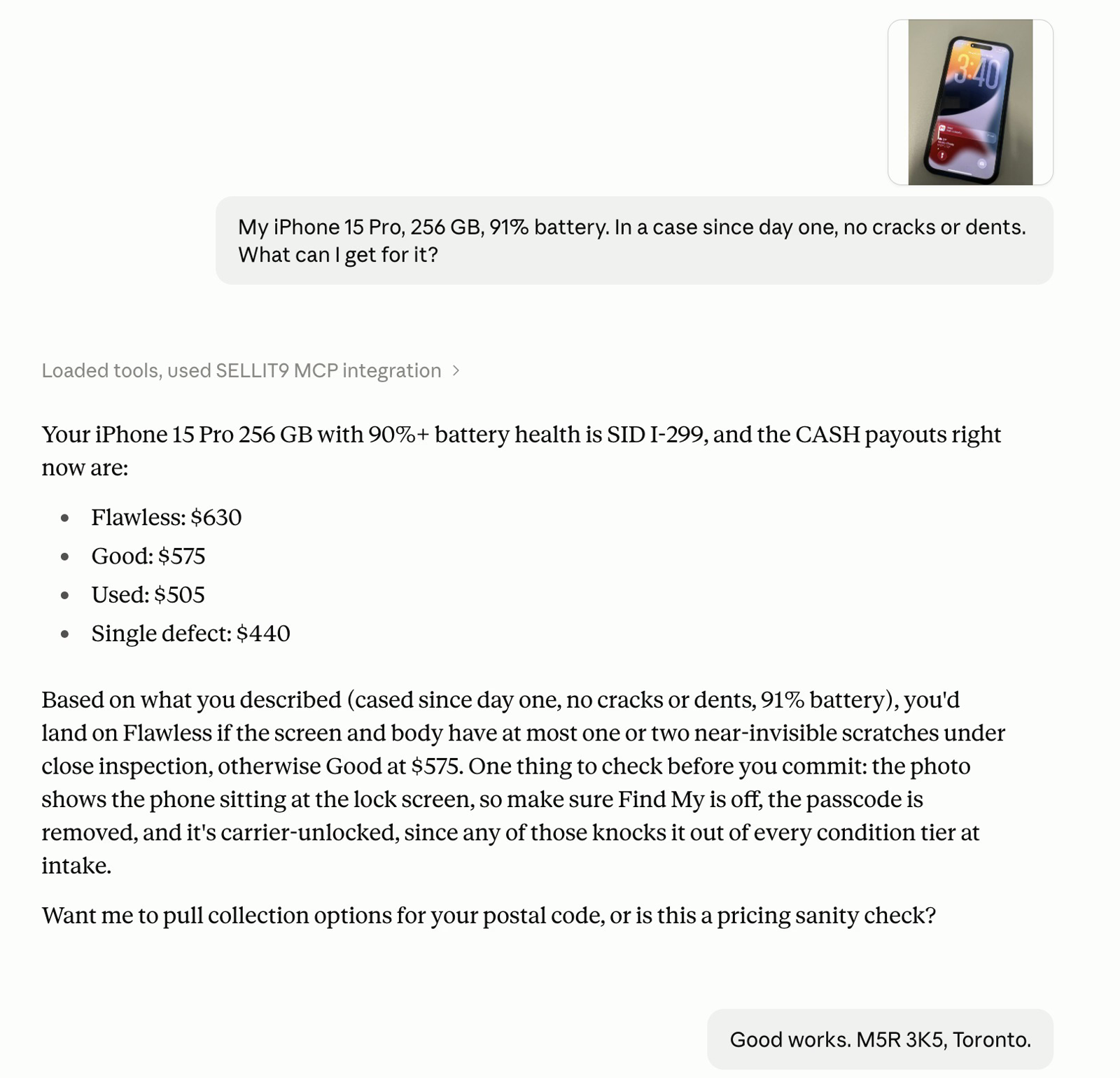
Those four numbers are not a range and not an estimate. An iPhone 15 Pro with 256 GB of storage and battery health above 90 percent is one specific item in our catalogue. On 15 September 2026 it paid $630 flawless, $575 good, $505 used, and $440 if it powers on with a single fault. We read those through the connector itself while writing this paragraph, which is more or less the point. Prices track the market, so the number that counts is the one your own chat returns.
After that came a postal code, the collection options that exist at that address, a summary read back for confirmation, and an order. The conversation ran about five minutes, and most of that was us typing. Written out as the steps you would actually take:
- Add SELLIT9 once from Claude's connector directory.
- Say what you have. A photo helps, a sentence is enough.
- Answer the two or three questions that set the price in that category.
- Pick your condition from the written tiers it shows you.
- Give a postal code and see which collection options exist there.
- Confirm the order it reads back to you.
Payment follows once the parcel arrives and is checked.
Why this is a connector and not a chatbot guessing
Ask any assistant what your phone is worth and it will answer you. It will sound sure of itself. It is also reconstructing a number from training data that is months old and was never specific to your storage tier, your battery, or your country.
A connector inverts that. We hand Claude a set of functions and it calls them over the Model Context Protocol:
- Finding your model. search_catalog, list_categories and list_models narrow down what you have.
- Pricing it. get_model_details and get_prices return the payout for every condition of one exact configuration.
- Getting it to us. get_collection_options reports what is genuinely available at your postal code.
- Placing it. create_order and get_order_status create the order and track it afterwards.
Eight functions, and they are the same calls our own website makes. There is no separate price list kept for assistants, so there is nothing to fall out of sync. We argued in February that commerce should ship as infrastructure rather than screens. This is that argument with the screens actually removed.
What else you can sell this way
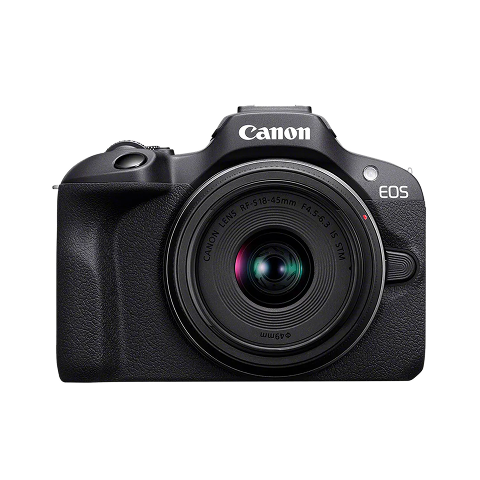
The phone is the example, not the limit. The connector reads the whole catalogue, twenty-two groups today: laptops, tablets, watches, cameras and lenses, headphones, speakers and soundbars, home audio, monitors, consoles and handhelds, PC parts down to a single graphics card, podcast gear, microphones, VR headsets and AI glasses. The full list is on the sell page.
Asking about a different one is the same sentence with a different noun, but the questions coming back change, because the catalogue defines every category separately. A MacBook Air 13 inch from 2022 has four things that move its price rather than two: processor, memory, storage and graphics. On 15 September 2026 the 8GB and 256GB version paid $545 flawless, $490 good and $435 used. It has three condition tiers rather than four, because a laptop has no single-fault tier the way a phone does. Nobody wrote that rule into Claude. It read it.
Ask about any of them exactly the same way. More groups are on the way, and here is the part that matters architecturally: because the assistant reads the catalogue instead of a list we typed into its instructions, a new group shows up in Claude the day it goes live on the site. Nobody has to remember to update the assistant, because there is nothing about the catalogue stored in the assistant to update.
Where the price comes from
Condition is not a vibe. Every tier has written requirements, and the connector returns them next to the money, so the assistant can reason about which one you are in rather than picking the flattering one. The tiers below are the phone ones.
Flawless allows one or two scratches you would only catch under direct light, and battery health at 90 percent or better. Good permits faint wear invisible from eight inches away, and 80 percent. Used covers deep scratches or dents with the screen still working. Single Defect is one fault only, such as a cracked screen.
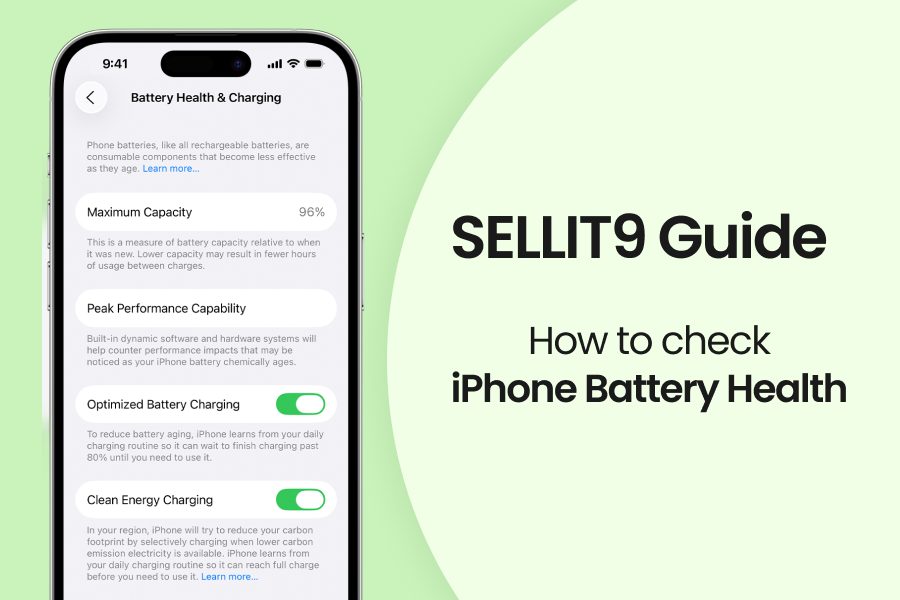
Battery health is its own dimension in the catalogue rather than a modifier applied later, which is why Claude asked about it first. On an iPhone you read it under Settings, then Battery, then Battery Health and Charging. Claude also flagged something we would have forgotten to mention: Find My has to be off and the phone must not be locked to a carrier, or it falls out of every tier when it reaches us.
Nothing gets created until you approve it
The part that surprised us was not the pricing. It was how often Claude stopped to ask.
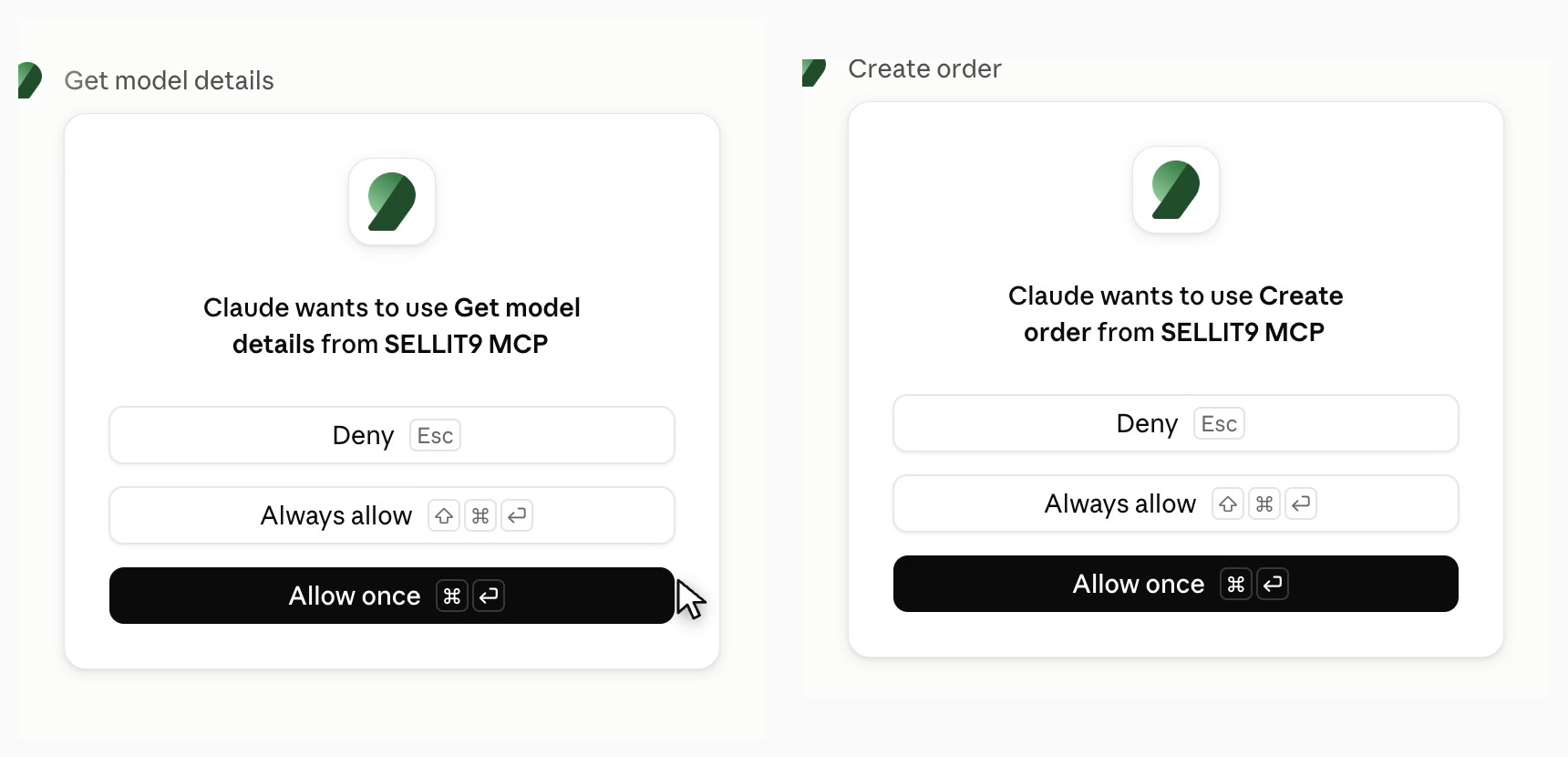
Nothing happened quietly. Claude asked before it looked up model details, then asked again, separately, before it created anything. Your options are Deny, Allow once, or Always allow, and until you choose, nothing has touched our systems.
Before that final call it read the whole order back, item and condition, payout and method, return address, contact details, with a plain note that nothing had been submitted yet. Then it waited.
What the finished order looks like
Saying yes produced a real order, not a draft.
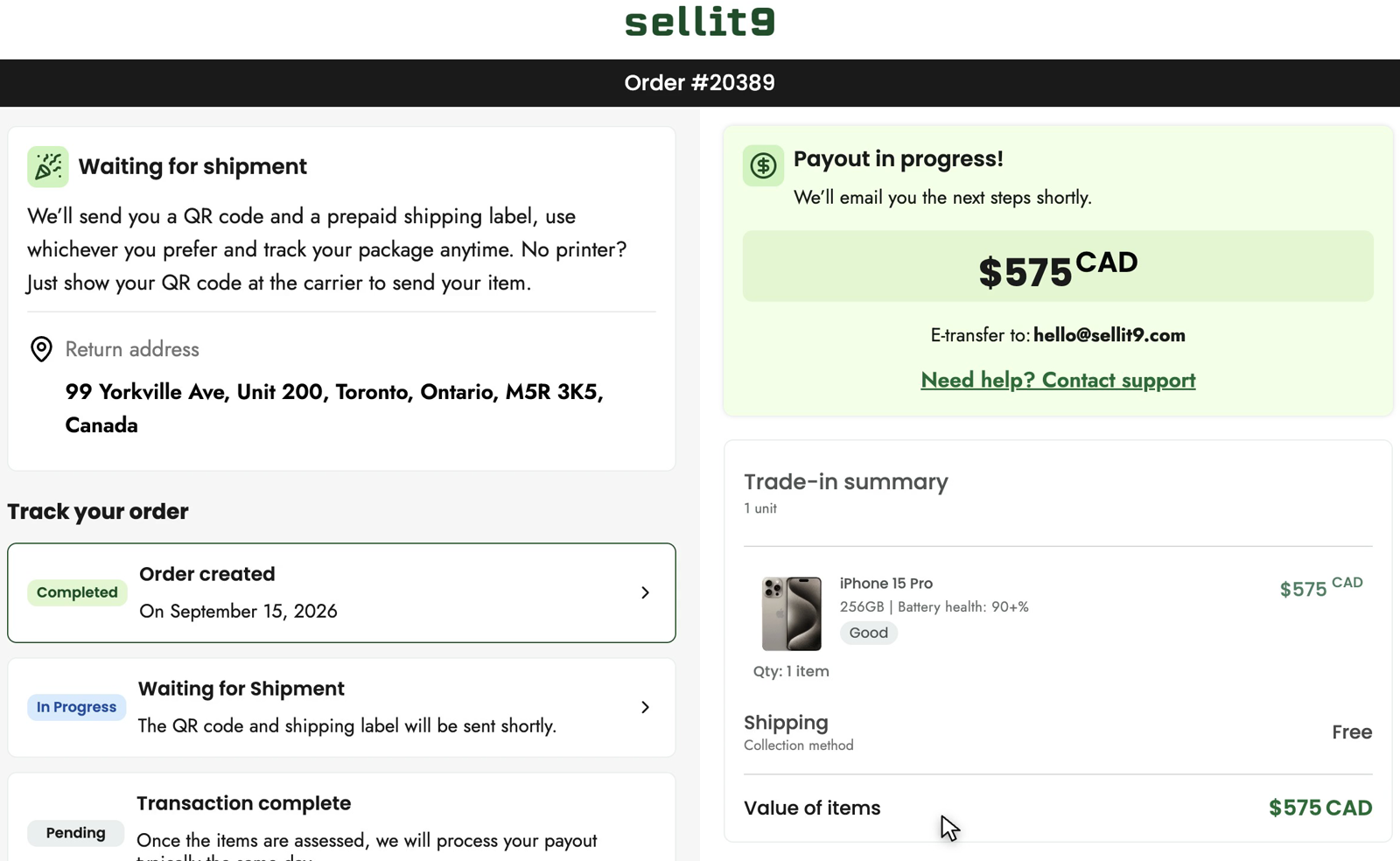
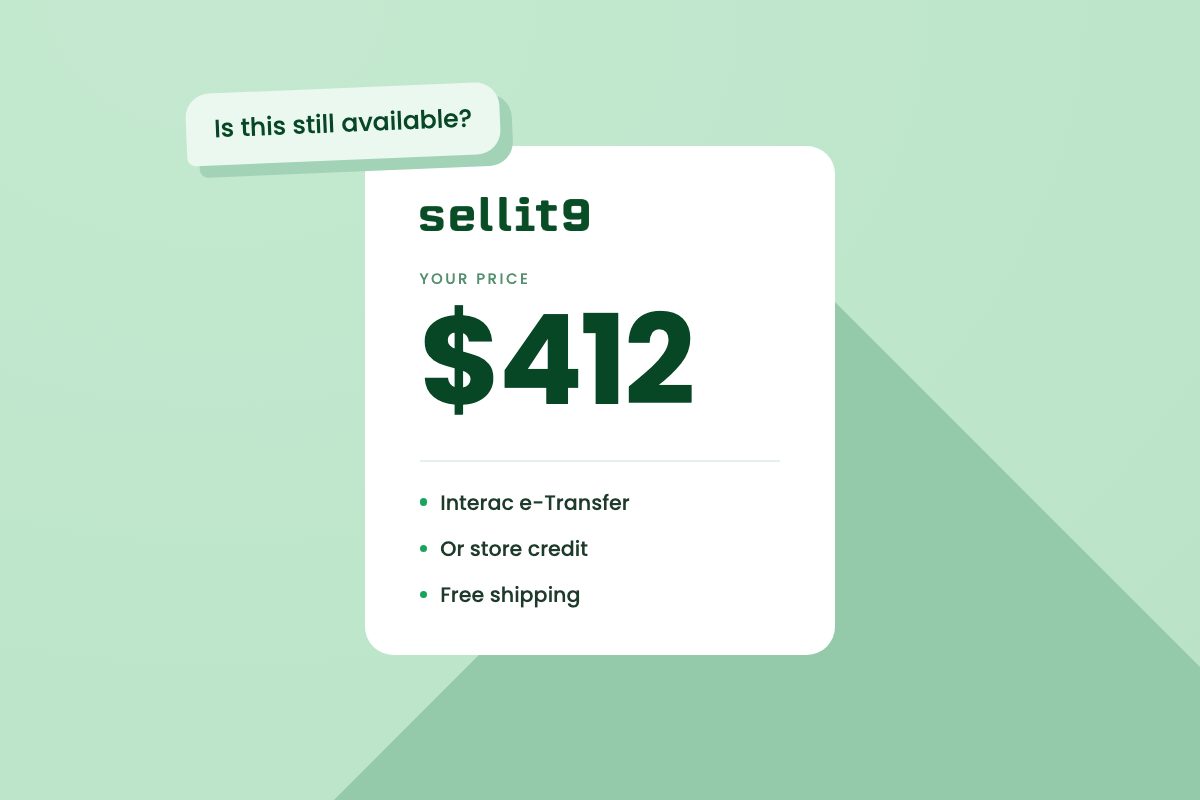
Order #20389, an iPhone 15 Pro in Good condition, $575 paid by Interac e-Transfer once the phone has been checked. Shipping is free. You get a QR code and a prepaid label, and with no printer you show the code at the carrier.
Which collection options appear depends on your postal code. Free prepaid shipping reaches everywhere in Canada, and drop-off appears where we have it. Ours was central Toronto, and selling in Toronto works the same through the chat as it does on the site.
When Claude is not the right way to sell
Two cases, and both are worth saying plainly.
If it does not power on, we cannot buy it yet. Our damaged intake covers phones and tablets that still turn on with one specific fault, such as a cracked screen. Something that stays dark is out of scope however you ask for it.
If you need the money today, this is the wrong route. The payout follows inspection, so it lands a few days after the parcel does. A local buyer with cash in hand will beat us on speed every time, and that is a real trade-off rather than a flaw we are quiet about.
Questions people actually ask
Do I have to install anything?
You add SELLIT9 from Claude's connector directory once, the same way you would add any other connector. After that it is there in any conversation.
Is the price in the chat the same as the price on the site?
Yes. Both read the same catalogue through the same calls, so a quote in Claude and a quote on our smartphones page for the same configuration and condition are the same number.
What if it arrives in worse shape than I described?
We check everything when it gets here. If the condition does not match the quote, we come back to you with the revised figure before any money moves, and you can accept it or have it sent back.
Does this work outside Canada?
Not yet. The connector quotes in Canadian dollars and pays by Interac e-Transfer, so it is Canadian for now.
Can I do this in ChatGPT too?
Yes, as of this week. Both connectors read the same catalogue, and our connectors page has the setup steps for each.
Where to start
If you already work in Claude, add the connector and ask it what something in your drawer is worth. If you do not, the site is fewer steps and returns the same number: get your quote in 40 seconds.